
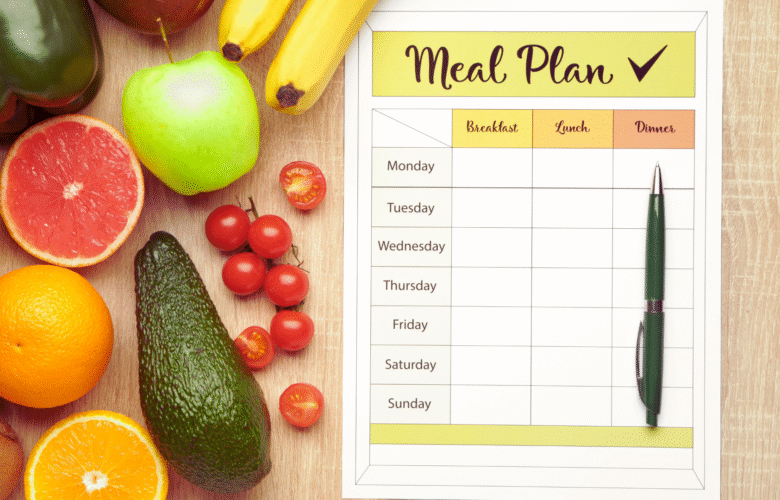
Meal planning helps individuals organise their meals ahead of time, reducing last-minute decisions that often lead to unnecessary spending or wasted food. By deciding what to cook in advance, people can shop more efficiently and avoid impulse purchases, ultimately saving both time and money.
It also helps streamline cooking routines, as preparing ingredients in bulk means fewer daily cooking sessions and less time spent in the kitchen. This approach is especially useful for busy lifestyles where time is limited and budgeting is a priority.
Readers interested in optimising their food budget and simplifying their weekly routines will find meal planning a practical and effective strategy. Understanding how to implement this method can lead to noticeable benefits in both financial savings and daily convenience.
How Meal Planning Saves Time and Money
Meal planning organises shopping lists and cooking schedules, ensuring more efficient use of ingredients and reducing unnecessary purchases. It helps avoid impulsive spending on takeout and minimises the risk of food spoiling before use.
Reducing Food Waste
By planning meals ahead, a person can buy only what they need, which cuts down on surplus food that often goes to waste. This means fewer trips to the bin and more money kept in the budget.
Using leftovers in a structured meal plan makes full use of ingredients. For example, vegetables can be repurposed into soups or stir-fries rather than disposed of. Strict portion control during shopping also prevents overbuying.
Tracking expiry dates within meal plans encourages the timely use of products. This reduces the chance of food becoming inedible and wasted. Meal planning thus translates into measurable savings by stretching food supplies efficiently.
Avoiding Last-Minute Expenses
When meals are decided in advance, last-minute takeaways or quick store runs become less frequent. This habit significantly reduces spending on high-cost convenience meals or snacks bought when in a rush.
Planning also helps avoid the premium pricing often charged for small, unplanned purchases. Preparing meals in bulk, based on the plan, can lower the cost per serving compared to individual, spontaneous buys.
Time saved by avoiding unplanned shopping trips can be allocated elsewhere. This clear schedule reduces stress and the temptation to resort to expensive fast-food options.
Maximising Ingredient Use
Meal planning ensures that ingredients bought get fully utilised across multiple meals. It breaks down large purchases into smaller, manageable portions, preventing spoilage.
For example, a whole chicken can be used for several dishes across the week, not just one meal. This careful scheduling of ingredients optimises food use and cuts costs by eliminating duplication.
Cross-utilising ingredients like herbs, grains, or dairy within different recipes on the plan reduces the need to buy multiples. This efficiency frees up budget for other essentials without increasing daily meal costs.
The Meal Planning Process
Effective meal planning requires clear steps that organise time, ingredients, and budget. It includes designing a schedule, drafting grocery lists with purpose, and managing existing food supplies. Each of these tasks reduces waste and streamlines preparation.
Setting a Weekly or Monthly Meal Plan
Meal planning starts with selecting meals for the chosen period. Many find planning weekly easier, balancing flexibility with routine. They list breakfasts, lunches, dinners, and snacks by day, ensuring variety and balance.
Including easy, repeatable meals saves time on busy days. It is helpful to consider preparation and cooking time for each recipe. Planning meals that use overlapping ingredients can reduce costs and minimise waste.
Tracking nutritional needs or dietary restrictions is essential during this stage. This prevents last-minute changes and extra shopping trips. A calendar or meal planning app often aids organisation.
Creating Efficient Grocery Lists
An efficient grocery list matches the meal plan exactly. It groups items by store section, such as produce, dairy, and canned goods, to speed up shopping. Quantities are added to avoid overspending or shortages.
Including staple items regularly used in meals ensures consistency. Prioritising versatile ingredients helps adapt meals if plans change. Cross-checking the list against sales or coupons can reduce expenses.
Organising lists digitally allows for easy editing and sharing. Clear lists avoid impulse buys by focusing spending strictly on needed items.
Stocktaking and Pantry Management
Regular stocktaking ensures a clear overview of available ingredients. It involves checking expiry dates and quantities of pantry, fridge, and freezer items. This reduces forgotten food and encourages use before spoilage.
Pantry management categorises items by type and shelf life. It often uses labels and storage containers to maintain order. Keeping an updated inventory supports accurate meal planning and grocery shopping.
Using older items first prevents waste. This method supports budget control by reducing unnecessary repurchases.
Grocery Shopping Strategies to Save Money
Effective grocery shopping involves planning around discounts, reducing unnecessary purchases, and buying in larger quantities when it makes economic sense. These approaches help manage both time and budget efficiently without sacrificing food quality or variety.
Taking Advantage of Sales and Discounts
Shoppers benefit by monitoring weekly flyers and store apps for sales on staple items like rice, pasta, and frozen vegetables. Timing meals to include discounted items can significantly cut costs.
Clearance sections often have quality goods nearing expiry, ideal for immediate use or freezing. Signing up for loyalty programmes provides extra savings and personalised coupons.
Comparing unit prices ensures the best deal, especially when larger packs seem cheaper but may not actually save money. Digital tools can track sales across multiple stores, making the process quicker and more accurate.
Shopping with a List to Reduce Impulse Buys
Using a detailed grocery list prevents unplanned purchases that inflate bills. Preparing the list based on planned meals keeps shopping focused.
Limiting trips to the store reduces temptation to buy unnecessary items. Checking the pantry and fridge before shopping helps avoid duplicates.
Sticking to the list means ignoring promotional displays and treat aisles designed to encourage impulse buys. A physical or app-based list provides accountability and can be shared with household members to align needs.
Batch Buying and Bulk Purchasing
Buying non-perishable or freezeable items in bulk lowers the cost per unit. Staples like flour, sugar, and canned goods benefit from this approach.
Batch cooking with bulk ingredients saves both effort and money by reducing the frequency of cooking and shopping. However, it requires adequate storage space and proper portion planning to avoid food waste.
He or she should prioritise bulk purchases for regularly used items but avoid bulk buys of perishable goods that may spoil before use. Checking expiry dates is essential before bulk buying to ensure freshness.
Tips for Long-Term Meal Planning Success
Effective meal planning requires ongoing adjustments and evaluations to maintain efficiency and value. Making changes based on seasons, costs, and family input helps sustain a practical and enjoyable meal plan.
Adjusting Plans for Seasonal Changes
Adapting a meal plan to seasonal availability cuts costs and improves nutritional quality. Buying fruits and vegetables in season tends to be cheaper and fresher, enhancing meal flavour and variety.
Review your meal plan every few months. Swap out summer produce like tomatoes and berries with root vegetables or leafy greens during colder months. This adjustment keeps meals interesting without straining the budget.
Seasonal changes can also influence protein choices. Consider incorporating a game or locally sourced meat when available. This limits reliance on imported or out-of-season items that often come with a higher price tag.
Evaluating Cost per Recipe
Tracking the cost per recipe ensures the meal plan remains budget-friendly. Calculate the total cost of ingredients per dish and compare it to portion sizes and nutritional value.
Use a simple table format to log ingredient prices and quantities. This makes it easier to identify which meals stretch the budget and which are cost-efficient.
| Recipe | Ingredients Cost | Servings | Cost Per Serving |
| Chicken Stir Fry | £4.50 | 4 | £1.13 |
| Vegetable Curry | £3.00 | 6 | £0.50 |
Revising the meal plan to include dishes with a lower cost per serving can save money over time without sacrificing quality.
Involving the Family in Planning
Engaging all family members in meal planning increases cooperation and satisfaction. Gathering input on favourite meals and dietary restrictions helps create a more tailored meal plan.
Assigning small tasks like suggesting recipes or choosing snacks boosts involvement. This shared responsibility eases pressure on the planner and promotes more varied meals.
Regularly reviewing the meal plan with the family ensures it meets everyone’s needs, preventing food waste and improving mealtime enjoyment.