
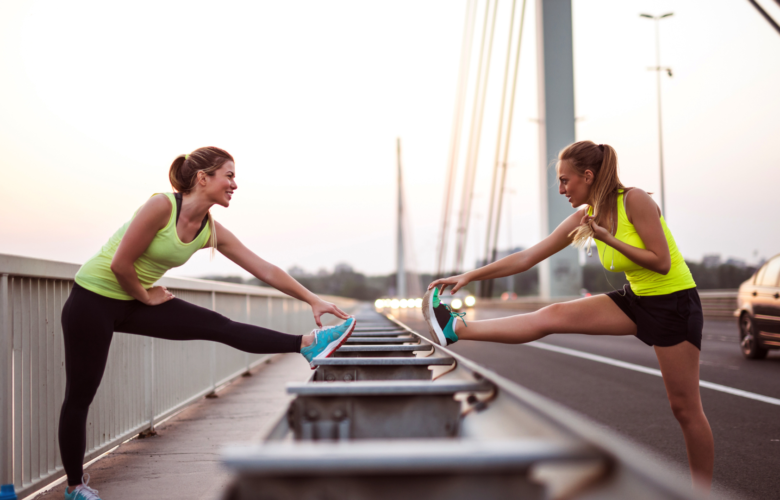
Do you want to avoid unexpected injuries during your workouts? Do you want to prevent injuries and treat minor sports injuries when they happen?
Want to know how to avoid common sports injuries? First, let’s take a look at the most common types of sports injuries.
The Many Faces of Sports Injuries
1. Sprains
Sprains usually happen when you overuse or twist your ankle, foot, or leg. They can range from mild to severe and often require rest, ice, compression, and elevation to heal. If you sprain your ankle, it’s important to apply a cold pack to the affected area for at least 20 minutes every four hours. Be sure to do this while resting and following any advice from your doctor.
2. Knee Injuries
One of the most common injuries is a knee injury, which can happen if you twist your knee or bump it against something. Taking the right precautions, such as wearing the proper gear and warming up before you play, can help lower the chances of getting hurt.
3. Fractures
Injuries can happen at any time during physical activity, whether you’re playing soccer or snowboarding. Fractures can occur due to falls, collisions, or blows to the body. To help avoid fractures, take some simple precautions, like staying aware of your surroundings. Before you jump or run, check for potential hazards. If you’re unsure about an area, don’t hesitate to ask a friend to keep an eye out for you while you play.
4. Mouth Injuries
Among the range of potential injuries, mouth injuries are one that shouldn’t be taken lightly. Fortunately, there’s a simple way to protect yourself from oral trauma; mouth guards. Finding a good athletic mouth guard and using it consistently can help you avoid serious damage during a game. However, even with a mouth guard, injuries can still happen, and the most common issue is a broken tooth. But don’t worry! This is easily fixable with Dental implants, which can give you back a natural, functional tooth.
5. Achilles Tendon Rupture
An Achilles tendon rupture is one of the most common sports injuries and can cause severe pain in the calf. Those affected often struggle to walk or even stand on one leg due to the rupture of both the Achilles tendon and the anterior cruciate ligament (ACL). In many cases, surgery is needed to repair the injury and help the person recover.
This article also shares several ways you can stay safe during your workouts. Keep reading to discover helpful tips and tricks for avoiding sports injuries.
1. Warm-up
It is essential to be proactive when it comes to sports injuries. A few simple steps can go a long way in avoiding potentially serious and long-lasting injuries.
First, warm up properly before any physical activity. This can include light stretching to get your body warmed up, as well as warmup activities such as jogging or biking to increase blood flow and get the body ready for the activity.
2. Cool-down and Stretch
One of the most important steps in avoiding sports injuries is proper cool down and stretching. Cooldown is the act of gradually decreasing physical activity during post-exercise. This is to avoid accelerated fatigue and soreness.
Cooldown may be done through aerobic exercises such as walking, cycling, or jogging. You should also do stretching to warm up muscles before vigorous activity. This can be done through dynamic stretches, isometric holds, and resisted exercises.
It is important to increase the time you do stretching progressively as well as the intensity to prevent strain on the muscles. As performance increases, stretching should become a regular part of the workout routine.
Stretching is commonly done after the workout to increase recovery time and reduce muscle soreness. Proper cooldown and stretching are important steps in avoiding sports injuries and must not be overlooked.
3. Hydrate, Hydrate, and Hydrate
It is essential to take every precaution to prevent sports injuries. Hydration is a key way to do this. Hydrate before, during, and after physical activities and sports.
Not drinking enough water means your body won’t be able to perform at its highest level and you will be at risk of injury. Make sure to carry a bottle of water with you and take sips at regular intervals. This will help to prevent dehydration.
4. Use the Correct Sports Gear
Using the correct sports gear can go a long way in preventing sports injuries. Correct sports gear should fit well, be the right size, and be sturdy enough to handle the activity. To help you find the best brands to use, you can visit a site like Pro Sport Tracker to explore what brands and models the biggest players in a wide variety of sports are using. This can give you an idea from which you can build on.
For example, if you’re interested in pickleball, checking out the reviews of top pickleball paddles can guide you in selecting one that suits your playing style, ensuring both comfort and performance on the court. Besides, wearing appropriate protective gear such as a helmet or elbow pads can help protect the athlete while playing sports. It is also important to wear shoes that provide adequate shock absorption and cushioning as well as supportive arch support.
5. Use the Proper Technique
The most important step to avoid sports injuries is to always use the proper technique. Proper technique involves correct body positioning, body mechanics, and movement.
Incorrect technique can lead to painful and potentially long-term injuries. The best way to learn proper technique is to take lessons or join a class focusing on the sport or activity in which you are participating.
6. Avoid Doing Too Much Training Too Soon
Taking simple steps to avoid injuries during sports is key. The most important step is to avoid doing too much training too soon. Over-training can lead to muscle fatigue, pulled muscles, and even joint damage.
Start with light exercises and gradually work up to more intense activities. This is the best way to avoid overexerting yourself.
7. Rest Up Between Training
It is important to take steps to avoid sports injuries, such as resting up between workouts and training sessions. By taking frequent breaks, your body can recover, leading to a reduced risk of injuries. Booking in for a swedish massage in Chesterfield, VA or elsewhere can aid your recovery by reducing muscle tension and soreness. Swedish massage can help reduce muscle stiffness, ease aches and improve your flexibility.
During your resting time, it’s important to apply ice or heat packs to sore and injured muscles. You should also drink plenty of fluids to prevent dehydration, stretch after and before you exercise, and get adequate sleep. If you find that an injury is preventing you from participating, seek the advice of a sports medicine professional.
8. Eat a Healthy, Well-balanced Diet
A healthy, well-balanced diet is one of the simplest steps to avoiding sports injuries. Eat a variety of fruits and vegetables, whole grains, healthy fats, and lean proteins. This helps to ensure that the body is performing optimally.
Getting proper nutrition also helps to keep the athlete energized, even during highly intense activities. Before and after exercise, it is important to replenish the body with foods that provide energy, such as complex carbohydrates, proteins, and good fats.
Eating on a regular schedule and listening to one’s body are two more tools to keep athletes safe while they engage in their sports. Ultimately, following a healthy diet and beverage consumption habits can go a long way toward avoiding sports injuries.