
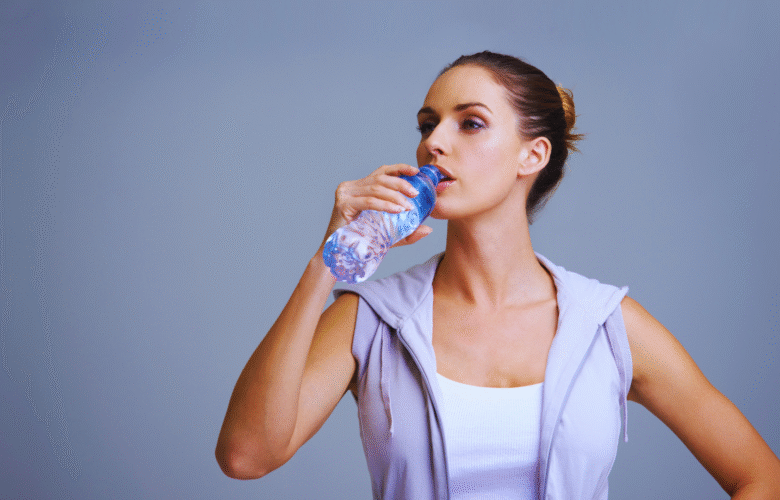
Hydration plays a crucial role in maintaining good health and overall body function. Drinking an adequate amount of water supports vital processes such as digestion, temperature regulation, and nutrient transportation. Many individuals underestimate the importance of staying properly hydrated, which can lead to a host of health issues ranging from fatigue to impaired cognitive function.
The body’s need for water doesn’t solely come from the beverages consumed; it also includes moisture from food. Simple actions like carrying a water bottle throughout the day or incorporating water-rich fruits and vegetables into meals can make a significant difference. This is especially important in environments where individuals may lose fluids quickly, such as during exercise or in hot weather.
Awareness of hydration needs can empower individuals to make positive changes in their daily routines. By prioritising water intake, they can enhance their physical and mental performance. Engaging in mindful hydration can ultimately contribute to a healthier lifestyle and improved well-being.
Understanding Hydration
Hydration plays a crucial role in maintaining bodily functions. It is essential to understand the importance of water, how to recognise signs of dehydration, and the recommended daily fluid intake.
The Role of Water in the Body
Water constitutes about 60% of the human body and is vital for various physiological processes. It aids digestion, nutrient absorption, and waste elimination. Additionally, water helps regulate body temperature through sweating and respiration.
Moreover, water is essential for joint lubrication, allowing for smooth movement. Organs such as the heart, kidneys, and liver rely on water to function efficiently. Insufficient water intake can disrupt these processes, leading to complications.
Recognising Signs of Dehydration
Recognising dehydration signs is crucial for maintaining optimal health. Common symptoms include increased thirst, dry mouth, and decreased urination. Fatigue or confusion can also indicate low hydration levels.
Other signs may include headaches and dizziness. Physical performance may decline, leading to muscle cramps. Maintaining awareness of these symptoms can encourage timely fluid intake.
Daily Fluid Intake Recommendations
Daily fluid intake varies based on age, gender, activity level, and climate. Generally, it is recommended that men consume approximately 3.7 litres and women around 2.7 litres of fluids per day.
Specific needs may increase with exercise, heat exposure, or illness. Drinking fluids consistently throughout the day, rather than waiting until thirsty, supports better hydration.
A practical approach includes carrying a water bottle and setting reminders to drink regularly. Hydration can also be supplemented through food, such as fruits and vegetables high in water content.
Health Benefits of Staying Hydrated
Staying adequately hydrated is crucial for various aspects of health. It plays a significant role in cognitive function, physical performance, and weight management. Ensuring proper hydration can enhance overall well-being and efficiency in daily activities.
Hydration and Cognitive Function
Hydration impacts cognitive function significantly. The brain is approximately 75% water, and even mild dehydration can affect mental clarity and concentration. Studies suggest that a fluid loss of just 1-2% can lead to symptoms such as memory difficulties and increased perception of task difficulty.
Proper hydration supports neurotransmitter function and improves blood flow to the brain. This enhances both short-term memory and attention span. Encouraging regular water intake during tasks requiring focus can facilitate a better performance on cognitive tasks.
Physical Performance and Hydration
Physical performance is heavily influenced by hydration levels. During exercise, the body loses water through sweat, which can lead to dehydration if fluids are not replenished. Dehydration can result in increased fatigue, decreased endurance, and a higher risk of injury.
Athletes particularly benefit from staying hydrated. Adequate fluid intake helps maintain optimal body temperature and lubricates joints. This can enhance strength, power, and recovery during exercises, ensuring that physical activities are more effective and enjoyable.
Hydration and Weight Management
Staying hydrated can assist in weight management. Drinking water before meals can promote a feeling of fullness, leading to reduced calorie intake. This strategy can be beneficial for those seeking to control their weight.
Furthermore, hydration can aid metabolism. Water is essential for the body’s ability to burn fat effectively. It also supports the kidneys in filtering waste and can reduce water retention, making it an integral part of a healthy weight management plan.
Hydration Through the Life Stages
Adequate hydration varies greatly throughout different life stages, affecting health and well-being. Children, pregnant and breastfeeding individuals, and the elderly all have unique hydration needs that must be met to support their bodily functions effectively.
Hydration for Children
Children have higher fluid needs per kilogram of body weight than adults. They are often more active, which can increase their risk of dehydration, especially during hot weather or physical activities. Parents should encourage fluid intake regularly throughout the day.
Recommendations for children include:
- Water: The primary beverage.
- Milk: Provides hydration along with essential nutrients.
- Limit sugary drinks: Reduce soda and juice intake to prevent excessive sugar consumption.
Signs of dehydration in children include dry lips, lethargy, or decreased urine output. It’s vital to monitor hydration during illness when fluid losses may increase.
Pregnancy, Breastfeeding, and Hydration
During pregnancy, fluid requirements rise significantly. This is due to increased blood volume and amniotic fluid needs. Pregnant individuals should aim for at least 2.3 litres of fluids daily.
Hydration tips include:
- Increase water intake: More is needed than in non-pregnant states.
- Electrolytes: Including sports drinks or oral rehydration solutions can help replenish lost fluids.
For breastfeeding mothers, maintaining hydration is crucial for milk production. They should consume about 3.1 litres daily, including water, herbal teas, and broth.
Hydration for the Elderly
Older adults are more susceptible to dehydration due to physiological changes and often reduced thirst sensation. Health issues or medications can further complicate hydration levels.
Key points for elderly hydration include:
- Regular fluid intake: Encourage drinking water throughout the day.
- Monitor medications: Some can increase fluid loss or alter thirst sensations.
Elderly individuals should watch for symptoms, such as confusion, dry skin, or infrequent urination, indicating dehydration. Adequate hydration can significantly affect overall health and vitality in later years.
Best Practices for Optimal Hydration
Maintaining optimal hydration involves careful choices regarding beverages and food, alongside strategies to adapt to different environments. Understanding these practices can significantly improve fluid intake and contribute to overall health.
Choosing the Right Beverages
Selecting beverages wisely plays a crucial role in hydration. While water is the best choice, other options like herbal teas and sparkling water can be effective. They provide fluid without excessive calories.
Fruit juices, especially those without added sugars, can offer hydration as well. However, it’s essential to consume them in moderation due to their natural sugars.
Caffeine-containing drinks such as coffee and tea may contribute to hydration; research suggests that their diuretic effect is negligible for most people. Minimising sugary drinks is advisable, as they can lead to dehydration and provide little nutritional value.
Water-Rich Foods and Hydration
Incorporating water-rich foods into the diet significantly aids hydration efforts. Foods like cucumbers, tomatoes, and watermelon contain high water content, contributing to fluid intake.
Here is a brief list of some water-rich foods:
- Cucumbers: Around 96% water
- Lettuce: Approximately 95% water
- Watermelon: About 92% water
- Celery: Roughly 95% water
Including these items in meals enhances hydration while also offering essential vitamins and minerals.
Eating a balanced diet with these foods can help maintain proper hydration levels, especially when paired with adequate water intake.
Staying Hydrated in Various Climates
Environmental conditions affect hydration needs significantly. In hot climates, the body loses more water through sweat. It is crucial to increase fluid intake in such situations. Carrying a water bottle can help ensure easy access to hydration.
In colder weather, individuals may not feel as thirsty, yet hydration remains important for temperature regulation. They should remember that indoor heating can also cause dehydration.
Adjusting fluid intake according to the climate will optimise hydration, supporting both physical performance and overall health.