
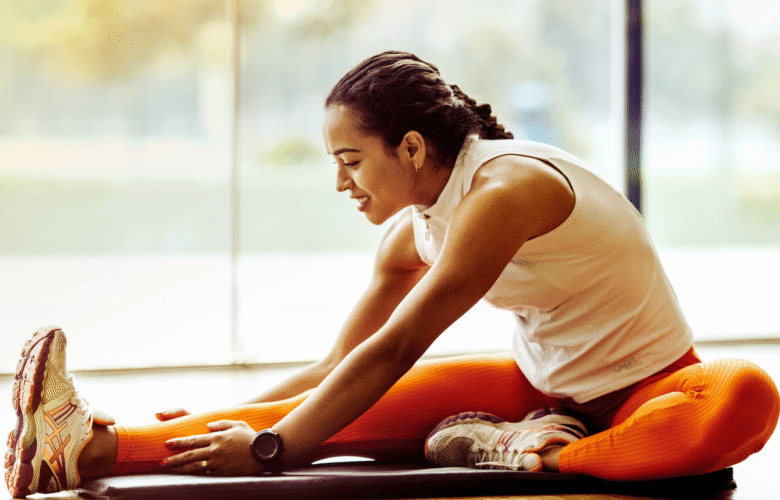
Stretching plays a significant role in improving both energy levels and posture. When muscles are regularly stretched, blood flow increases, supplying more oxygen and nutrients, which can help reduce fatigue and boost alertness. This increased circulation and muscle flexibility directly contribute to higher energy and better body alignment.
Poor posture often results from tight muscles and imbalances, which stretching helps to correct by loosening stiff areas and encouraging proper positioning of the spine and joints. Over time, consistent stretching can support a more upright, comfortable posture.
Many people underestimate how simple stretching routines can impact daily energy and physical comfort. Understanding these benefits can motivate more consistent and mindful movement practices.
How Stretching Enhances Energy and Posture
Stretching influences the body in multiple ways that support increased energy and improved posture. It affects muscle function, nervous system activity, and blood circulation to encourage physical balance and vitality.
Physiological Effects of Stretching
Stretching reduces muscle tension by elongating muscle fibres, which decreases tightness and discomfort. This allows joints to move more freely, promoting better physical function. The release of endorphins during stretching can also reduce pain and improve mood.
The activation of the parasympathetic nervous system during gentle stretching encourages relaxation and recovery. Increased blood flow to muscles, triggered by stretching, aids in nutrient delivery and waste removal in tissues. These combined effects contribute to a more responsive and less fatigued body.
Stretching and Energy Levels
Improved blood circulation from stretching delivers oxygen and nutrients more effectively to muscles and the brain, boosting alertness and stamina. By calming the nervous system, stretching can reduce feelings of fatigue and mental stress.
Regular stretching enhances body awareness, helping individuals sense tension early and address it before it drains energy. This proactive approach helps maintain consistent energy levels throughout the day, unlike reactive rest after exhaustion.
The Role of Stretching in Postural Alignment
Stretching targets muscles that become tight from prolonged sitting or poor habits, such as the chest, hip flexors, and lower back. Loosening these muscles helps restore their natural length and tension balance.
Improved posture is supported by enhanced alignment of the spine and shoulders, reducing strain on joints and muscles. Good posture results in more efficient movement patterns and less discomfort, which encourages continued healthy body mechanics.
Key Benefits of Daily Stretching
Daily stretching supports physical health by addressing muscle function and joint performance. It helps reduce tension and promotes balanced movement patterns for better posture and physical energy.
Improved Flexibility and Mobility
Regular stretching enhances flexibility by elongating muscles and tendons. This increased muscle suppleness allows movements to be performed more comfortably and with less resistance.
Improved flexibility directly contributes to greater mobility, enabling smooth transitions between different physical activities. It reduces the risk of muscle strain by preparing muscles for daily tasks or exercise.
With daily stretching, muscles become less tight, reducing joint stiffness and improving overall ease of movement throughout the day.
Enhanced Range of Motion
Stretching regularly helps increase the range of motion in joints, allowing them to move through their full capacity. This is critical for tasks requiring bending, reaching, or twisting.
A wider range of motion supports proper posture, as joints and muscles work efficiently without unnecessary tension or imbalance. It also lowers the likelihood of injuries from restricted or forced movements.
Improved joint function from stretching aids in maintaining physical independence, especially as muscles and joints naturally tighten with age.
Reduced Muscular Imbalances and Stiffness
Muscular imbalances occur when certain muscles are tighter or stronger than opposing ones. Daily stretching helps restore muscle equilibrium by targeting tight areas and preventing one side from dominating.
By loosening stiff muscles, stretching reduces pressure on joints and decreases the risk of developing poor posture habits. This balance lessens discomfort caused by repetitive motions or prolonged sitting.
Consistent stretching diminishes muscle stiffness, supporting better alignment and decreasing the chances of strain during physical activities.
Relaxation and Improved Mental Health
Stretching triggers a relaxation response by calming the nervous system, which can lower stress and promote mental clarity. This relaxation reduces muscle tension held from stress or anxiety.
Improved mental health from stretching can lead to better sleep quality and increased focus throughout the day. It provides brief moments of mindful body awareness, helping to manage emotional well-being.
Incorporating daily stretching creates a routine that benefits both physical relaxation and psychological health by encouraging consistent self-care.
Mechanisms Behind Stretching’s Impact
Stretching influences the body through physical and neurological processes that affect tissue health, blood flow, and mental function. These processes work together to improve posture and boost energy levels by increasing flexibility and reducing muscle tension.
Connective Tissue and Joint Health
Stretching targets connective tissues like tendons and ligaments, which support joints by maintaining their alignment and flexibility. Regular stretching helps maintain the elasticity of these tissues, making joints less prone to stiffness and injury.
By elongating muscles and their surrounding connective tissues, stretching reduces tension that could otherwise pull joints out of optimal alignment. This can help prevent chronic postural problems. Improved joint range of motion encourages better movement patterns and reduces strain during daily activities.
Circulation, Oxygenation, and Recovery
Stretching enhances circulation by increasing blood flow to muscles and connective tissues. This improved blood circulation delivers oxygen and nutrients essential for tissue repair and overall energy metabolism.
Better oxygenation accelerates recovery from muscle fatigue by clearing metabolic waste. Enhanced circulation also helps reduce muscle soreness, supporting consistent physical activity and maintaining good posture through stronger, healthier muscles.
The Mind-Body Connection
Stretching activates the nervous system, creating a link between mental awareness and physical state. This mind-body connection enables individuals to recognise areas of tension and respond with relaxation techniques.
Regular stretching can reduce stress levels, improving mental health and focus. This calming effect supports better posture by encouraging a conscious effort to remain upright and aligned throughout the day.
Effective Stretches and Practical Application
A well-designed stretching routine boosts energy by increasing blood flow and reduces posture-related discomfort by targeting key muscle groups. Selecting appropriate stretches, organising them logically, and avoiding common errors ensures safe and effective practice.
Essential Stretches for Energy and Posture
Dynamic stretches like shoulder rolls and cat-cow stretch activate muscles and improve spinal flexibility. The hamstring stretch and hip flexor stretch target tight lower-body muscles that often contribute to poor posture and lower back pain.
The bridge pose strengthens the glutes and lower back, supporting a neutral spine and reducing discomfort during activities such as swimming and athletic performance. Prioritising these stretches helps maintain balance between flexibility and strength, which is critical to avoiding overstretching or injury.
Structuring a Stretching Routine
A stretching routine should begin with gentle dynamic stretches to warm up muscles and increase circulation. This prepares the body for more static stretches, like the hamstring stretch or bridge pose, which are held for 20-30 seconds to improve flexibility.
Ideally, the routine takes 10-15 minutes and is performed daily or after exercise. Including both upper and lower body stretches ensures comprehensive posture support. Consistency and gradual progression avoid strain while enhancing energy throughout the day.
Common Mistakes and Safety Considerations
Overstretching remains a common issue, potentially causing muscle strains and increasing back pain rather than relieving it. Stretching too aggressively or holding positions longer than recommended increases injury risk.
Proper form is essential, especially during hip flexor stretches and the bridge pose, to avoid exacerbating lower back issues. He or she should avoid bouncing movements and focus on smooth, controlled stretches, listening to their body’s limits for safety.