
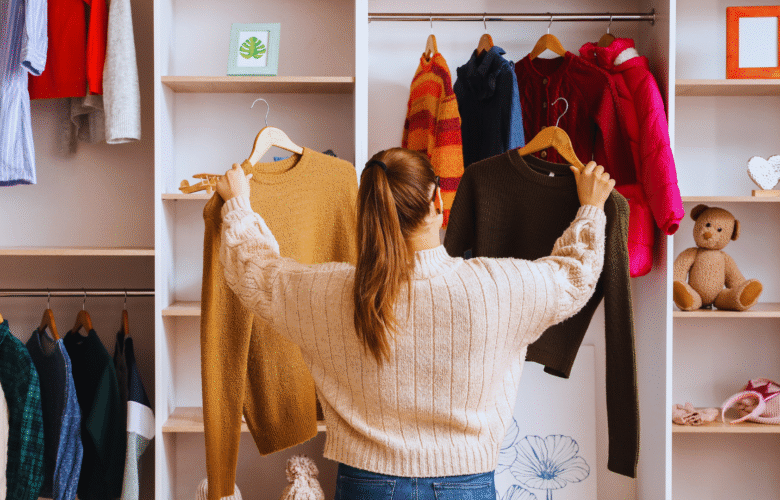
Building a wardrobe that works year-round means choosing versatile, timeless pieces that can be easily layered and adapted to changing weather. The key is investing in quality basics and complementary items that transition smoothly from season to season.
They focus on selecting neutral colours, breathable fabrics, and classic silhouettes to ensure each item serves multiple purposes. This approach helps reduce decision fatigue and saves money over time by avoiding seasonal overhauls.
By understanding how to mix and match key garments, they create a functional wardrobe that meets daily needs without sacrificing style, no matter the weather.
Core Principles for Building a Year-Round Wardrobe
A functional year-round wardrobe relies on intentional choices that balance versatility, durability, and mindful purchasing. It prioritises well-made basics and avoids unnecessary accumulation.
Understanding the Capsule Wardrobe Approach
The capsule wardrobe is a minimal wardrobe strategy that focuses on a limited number of interchangeable pieces. It encourages selecting timeless items that can be mixed and matched across seasons and occasions.
Typically, a capsule wardrobe contains 30 to 40 pieces, including tops, bottoms, outerwear, and shoes. Each item serves multiple purposes, reducing decision fatigue and increasing wearability throughout the year.
This approach emphasises adaptability, so fabrics like cotton, wool, and linen that work in various temperatures become staples. Layering is also essential, enabling outfits to transition smoothly from cold to warm weather.
Quality Over Quantity: Making Lasting Choices
Choosing quality over quantity means investing in durable garments rather than buying frequently. High-quality pieces maintain their shape, colour, and function longer, resulting in fewer replacements.
Buying fewer items of better quality supports a year-round wardrobe by ensuring reliable wear regardless of season. Look for craftsmanship details such as reinforced seams, natural fibres, and sturdy buttons.
Quality clothing might have a higher upfront cost, but it saves money over time by reducing wear and tear and waste. Prioritising classic cuts over trends also extends the wardrobe’s lifespan and relevance.
Avoiding Fast Fashion and Impulse Purchases
Fast fashion often promotes rapid turnover of cheap, low-quality items, which undermines the goal of a year-round wardrobe. Avoiding these encourages a more sustainable, mindful approach to clothing.
Impulse purchases tend to clutter a wardrobe with items rarely worn or poorly matched. To prevent this, individuals should plan purchases around specific needs, occasions, or gaps in their current collection.
A practical method is to wait 24-48 hours before buying non-essential clothes, allowing time to assess whether the item fits the core wardrobe strategy. Keeping a list of needed items also helps resist unplanned buys.
Planning and Assessing Your Wardrobe
Building a functional year-round wardrobe starts with a clear understanding of what you own and what you need. It involves thorough evaluation and effective organisation to ensure versatility and practicality.
Conducting a Wardrobe Inventory
A wardrobe inventory requires going through all clothing items systematically. Each piece should be categorised by type—such as tops, bottoms, outerwear, and accessories—and noted for condition, fit, and frequency of wear.
Use a checklist like this for clarity:
| Category | Item Description | Condition | Fit | Frequency of Use |
| Tops | White cotton shirt | Good | True to size | Regular |
| Outerwear | Heavy wool coat | Excellent | Slightly tight | Seasonal |
This process highlights what is kept, what needs repair, and what can be donated. It reveals patterns in style preferences and helps avoid unnecessary purchases.
Identifying Gaps and Essential Pieces
After the inventory, the next step is to pinpoint gaps where key versatile pieces are missing. Essential items often include neutral-coloured trousers, layering basics, and adaptable outerwear suitable for changing seasons.
For example, if there are a few lightweight knits or breathable shirts, adding these will improve year-round comfort. He may also note missing accessories like scarves or waterproof shoes, which add functionality across seasons.
Focusing on multi-use items cuts down on excess and creates a cohesive wardrobe that supports various activities and weather conditions. Prioritising quality over quantity here ensures the wardrobe remains practical and manageable.
Selecting Versatile Pieces and Fabrics
A wardrobe that functions throughout the year balances style with practicality. Choosing adaptable items and appropriate fabrics ensures clothing remains comfortable and suitable regardless of changing temperatures.
Choosing Timeless and Seasonless Clothing
Timeless designs avoid trends and focus on simple cuts, neutral colours, and classic fits. Core pieces such as a well-tailored blazer, straight-leg trousers, and a plain white shirt can be paired with various items to suit any season.
Colours like navy, grey, beige, and black work all year as they easily match accessories and layers. Avoid heavy embellishments or overly trendy patterns that limit wear across seasons. Instead, opt for garments with clean lines and durable constructions.
Fabrics That Work Year-Round: Linen and Silk
Linen is breathable and naturally moisture-wicking, making it ideal for warmer weather. However, when layered, linen can also be comfortable in cooler months. Its texture adds a relaxed elegance, suitable for both casual and smart outfits.
Silk regulates temperature well – cool to the touch in heat but insulating when layered. Its smooth finish pairs well with other fabrics. Both linen and silk require gentle care to maintain longevity and drape.
Layering and Adapting for Each Season
Layering transforms lightweight pieces into cold-weather staples. A silk blouse worn under a knit jumper or a linen shirt beneath a jacket offers flexibility in adapting to temperature changes.
Accessories such as scarves and cardigans help adjust warmth without replacing core items. This method reduces bulk in the wardrobe and extends the use of seasonless fabrics and timeless designs.
Sustaining and Evolving Your Wardrobe Over Time
Maintaining a practical wardrobe requires regular attention and strategic budgeting. Understanding the true cost of clothing helps in making mindful decisions that extend the life of garments and align with evolving needs.
Regular Wardrobe Upkeep and Evaluation
Frequent wardrobe audits help identify items that no longer fit, are worn out, or don’t suit current styles. This process encourages keeping only versatile pieces that support multiple outfits across seasons.
Routine upkeep includes proper laundering, repairs, and storing clothes correctly to prevent damage. Minimising impulse buys and focusing on quality over quantity reduces clutter. This habit ensures the wardrobe remains functional, adaptable, and aligned with personal style.
Budgeting with the 5-Piece Wardrobe Method
The 5-piece wardrobe method limits purchases to five key items per season, fostering thoughtful spending. It emphasises quality basics that mix and match easily, reducing the need for frequent replacements.
By budgeting this way, individuals can allocate funds towards higher-quality pieces, rather than many low-cost, short-lived items. This approach maximises value and supports a sustainable wardrobe that works year-round.
Reflecting on The True Cost of Clothing
Considering the true cost involves more than the purchase price, it includes maintenance, environmental impact, and longevity. Investing in durable items reduces waste and long-term expenses.
Tracking wear rates and repair costs can reveal which items offer real value. This reflection encourages smarter buying habits and discourages supporting fast fashion, ultimately leading to a more responsible and lasting wardrobe.